

Knowledge Center
All about e-waste
Electronic waste — or e-waste — refers to discarded electrical and electronic devices that are no longer wanted or functional. These devices contain valuable materials, but also hazardous substances like lead, mercury and cadmium.
Computers & Laptops
Mobile Phones
Televisions & Monitors
Solar Panels
Household Appliances
Batteries & Lighting Equipment
53.6M
Metric tons of e-waste produced globally in 2019
74M
Metric tons projected by 2030
17.4%
Only this much is properly recycled
Why e-waste differs from other waste
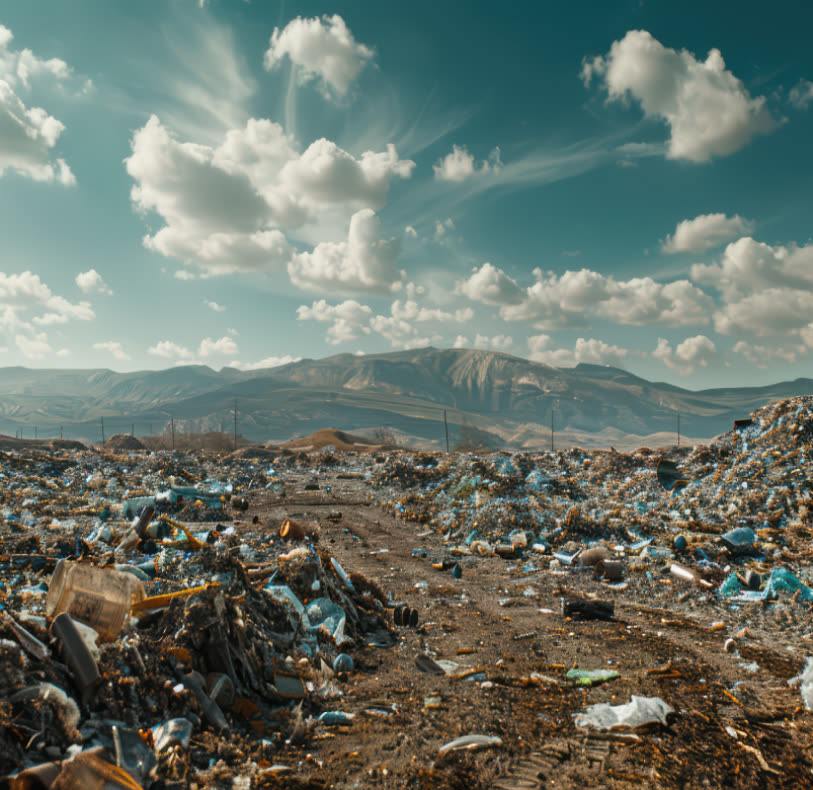
E-waste has a complex composition — valuable metals mixed with hazards such as lead in circuit boards and CRTs, mercury in lighting and batteries, cadmium in batteries and solar panels, and flame retardants. Unlike biodegradable waste, it can persist in landfills for centuries.
Why e-waste is growing
- Technological advancements shortening product lifespans
- Rising consumer demand for new devices
- Planned obsolescence built into modern electronics
Do’s of e-waste disposal
- Recycle at certified e-waste collection centers
- Backup and erase your data before recycling
- Donate working electronics to extend their life
- Check for local e-waste collection events
- Choose repair over replacement when possible
Don’ts of e-waste disposal
- Don’t throw electronics in the trash
- Don’t dismantle devices yourself
- Don’t export e-waste to under-regulated countries
- Don’t store old devices indefinitely
- Don’t ignore local e-waste regulations